A piano worth sitting beside. Walls that tell a thousand stories. The Anchor Line has two things I particularly value in a Glasgow restaurant: a sense of occasion and a genuine connection to the city around it.
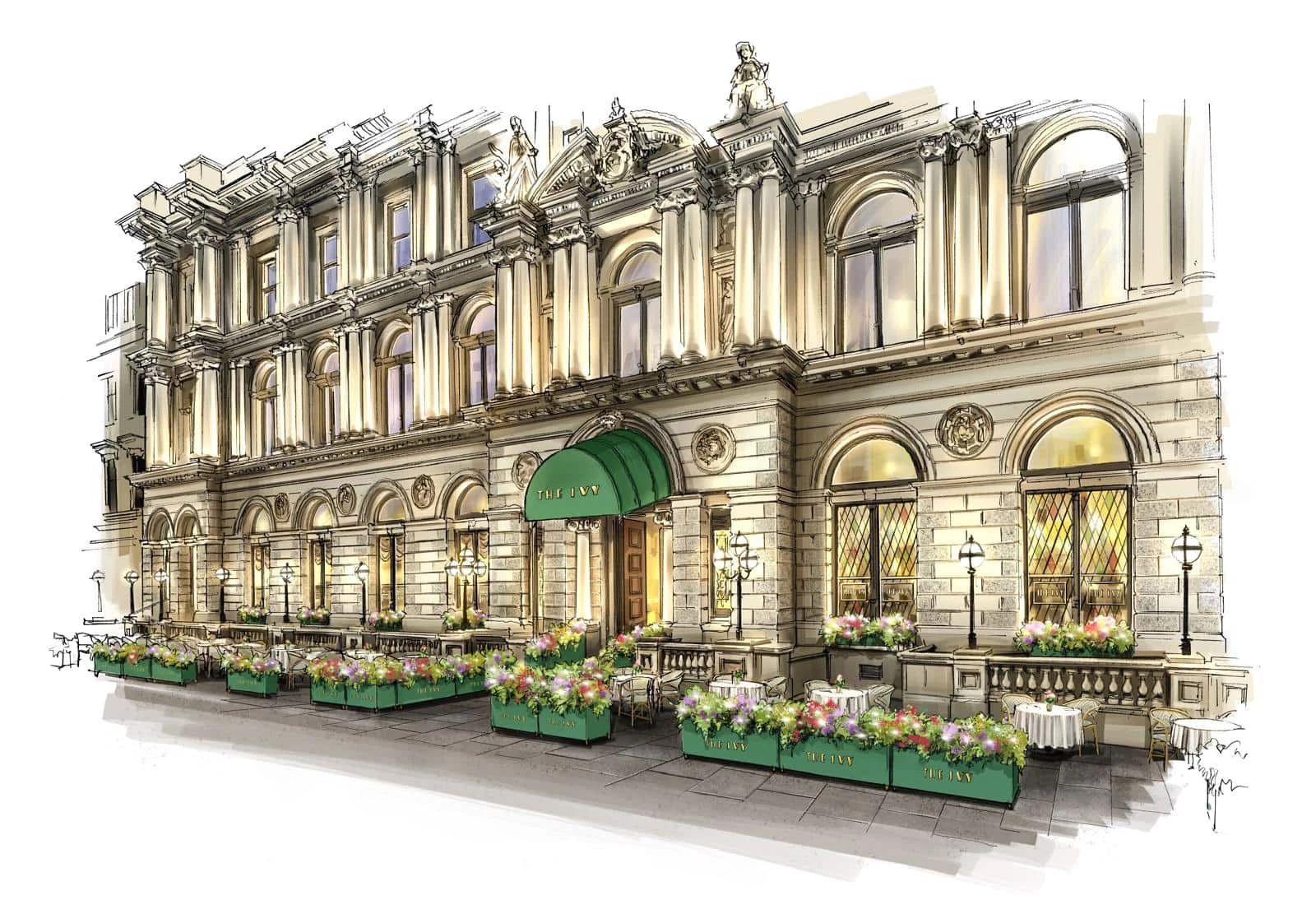
At 12 to 16 St Vincent Place, the address is part of the attraction. This was once a place where people arranged journeys across the Atlantic. Today, it is somewhere to settle over dinner or a cocktail and spend a little time with the Glasgow that helped connect Scotland to the world.
For me, the pleasure of The Anchor Line is how naturally those two lives sit together. The shipping history gives the room substance, while its present use keeps it sociable and alive.
The story begins before your table
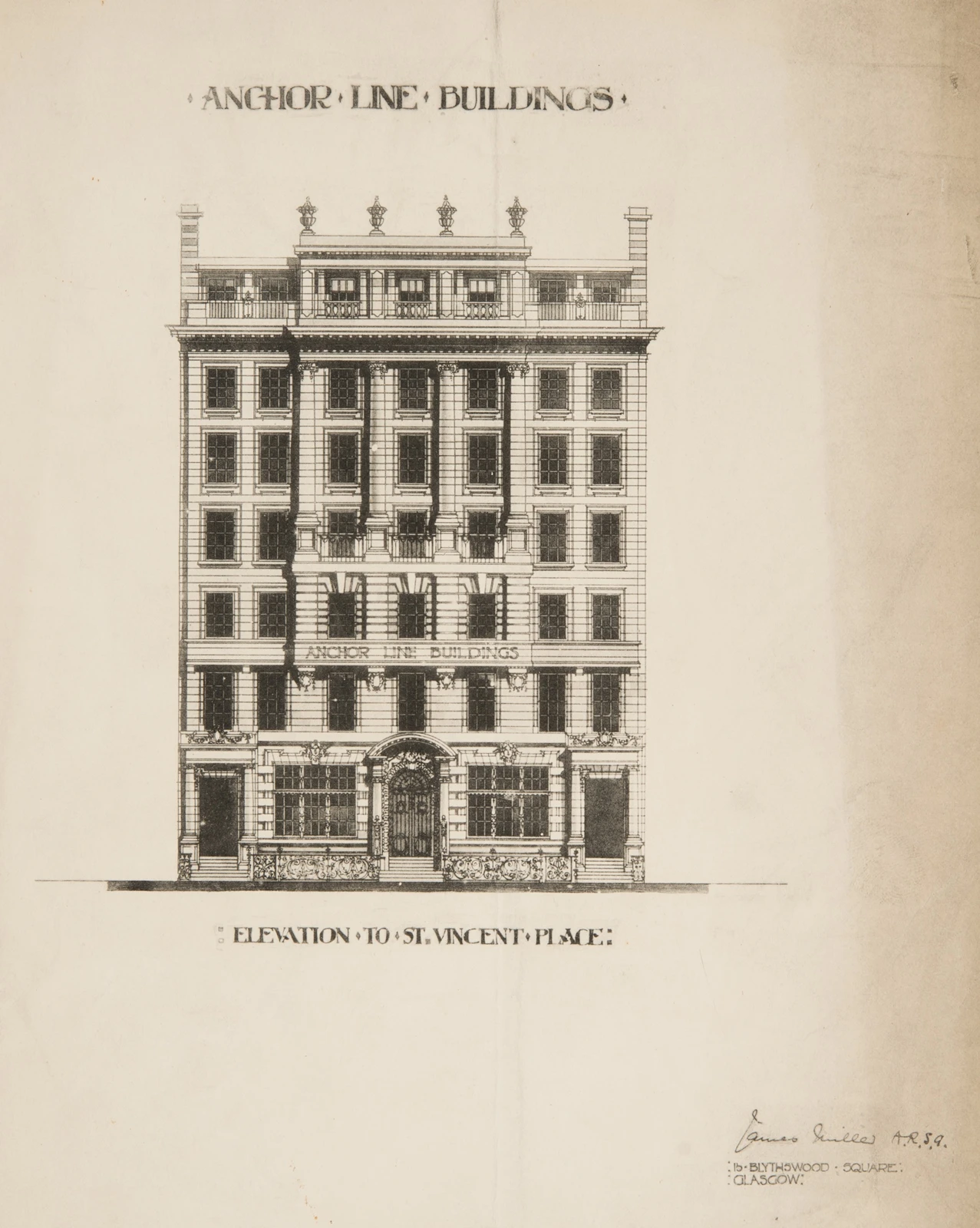
Designed by James Miller in the early twentieth century, the Anchor Building was created for a business whose ambitions reached far beyond Glasgow. The shipping company’s roots stretch back to 1838, with its first transatlantic crossing following in 1856.
It is worth pausing over what that meant. A ticket bought here could lead to a holiday, work overseas, a family reunion or an entirely new life. The building belonged to a network of journeys that linked the Clyde with New York and other ports.
That knowledge changes how you look at the place. The imposing frontage and carefully worked architectural details become part of a bigger story about Glasgow’s confidence, industry and outward looking character.
The pale exterior has its own transatlantic connection. Glasgow City Heritage Trust traces the building’s American architectural influence to the great white buildings of Chicago’s 1893 World’s Columbian Exposition. Even before you reach the dining room, there is a conversation between Glasgow and America in the architecture.
I love that there is so much to discover in an address you might otherwise walk past on the way through town.
Walls that tell a thousand stories
The displays inside are one of The Anchor Line’s strongest features.
When the restaurant was being developed, the University of Glasgow’s Archive Services helped bring the company’s records into the space. More than 200 items were selected and digitised, allowing material from the business archive to become part of the restaurant’s daily life.
The posters, photographs and travel documents give you a reason to look closely. There are places to imagine, ships to consider and little reminders of how travel was once sold to people who came through these doors.
For me, these walls tell a thousand stories because the people and journeys behind them were real. The material has a connection to the building, and that gives it a significance that stays with you.
There is also something particularly Glasgow about finding all of this around a table. You can come for lunch and leave knowing a little more about your own city.
A piano worth sitting beside
The piano belongs beautifully in this setting.
It gives the bar a focal point and adds to the feeling that an evening here deserves a little time. I would happily choose a seat nearby, order a drink and let the room become part of the occasion.
Where live piano is on the programme, it is an especially fitting accompaniment to a restaurant so closely associated with the romance of travel. It is easy to understand why that combination appeals: conversation, a cocktail, a handsome room and music all have a place in the same evening.
It also makes The Anchor Line an appealing choice when you want somewhere to spend time before or after dinner. The bar has enough identity to be a destination of its own.
From scallops to a standout duck dish
I chose the fire roasted Scottish king scallops, listed at £20.95 on the menu for my visit. The dish brought together Pernod, white wine and lobster bisque, boudin noir, roast butternut squash, celeriac and truffle purée, and Scottish samphire.
It is a generous composition on paper, with the Scottish seafood giving it a clear connection to the restaurant’s surroundings. For a dining room with such strong maritime associations, scallops felt a fitting place to begin.
The roasted Gressingham duck was the standout for me. At £32.95, it came with fig chutney, duck fat roast baby-hasselback potatoes, seared pak choi, chive oil and a blueberry and port wine jus.
That is the dish I would put first when someone asks what to order. The combination of duck, fruit and a port wine jus suits the sense of occasion in the room, and it is the main course I would happily return for.
There is more to explore on the wider menu, including seafood, Scottish beef and options for different dietary requirements. But it is the duck that gives my own visit its clearest recommendation.
The bar deserves its own visit
The drinks list takes inspiration from cocktails associated with the years before and after Prohibition, a natural fit for the New York influence running through the restaurant.
The Anchor Vesper and Bobby Burns neatly capture those connections. One draws on the familiar elegance of the cocktail bar; the other brings Scotch whisky and a distinctly Scottish name into the conversation.
That is what appeals to me about the offering here. You can choose something that feels appropriate to the room and take time over it, with the bar’s history and surroundings giving the occasion another dimension.
The food available alongside drinks makes a shorter visit appealing too. Warm bread, haggis bon bons, olives and oysters give you options for a table that begins with a cocktail and gradually becomes an afternoon.
I would recommend thinking of the bar as a reason to visit, whether or not a full dinner is in your plans.
A warm Glasgow welcome
The service had that friendly, warm Glasgow feel that I particularly value. In such a grand room, it made the experience feel approachable and comfortable.
That balance matters. The architecture gives you the occasion; the people give you the welcome. For me, the warmth of the service helped bring the two together and made the restaurant feel connected to the city beyond its history.
Glasgow, on your doorstep
The location makes The Anchor Line easy to work into a day in the city. George Square and Buchanan Street are close by, with Queen Street Station within a short walk.
It is well placed for meeting friends arriving by train, a lunch around shopping or dinner before an evening out. There is something especially satisfying about finding such a strong piece of Glasgow’s maritime history in the middle of its present day bustle.
The setting is a reminder that the city’s heritage is all around us, often waiting behind doors we already recognise.
My verdict
I would recommend The Anchor Line to someone visiting Glasgow who wants an address with a story, and just as readily to someone who lives here and wants to enjoy the city properly.
The appeal is the combination: a remarkable building, authentic links to its former life, a standout duck dish and the warmth of Glasgow service. The bar gives you another reason to stay a little longer.
Most of all, it is the sense of continuity. People have been coming to this address with plans, expectations and something to look forward to for more than a century. Dinner and drinks give those rooms another life, while keeping the earlier one in view.
Choose a seat near the piano. Take a moment with the pictures. Give yourself time to enjoy where you are.
The Anchor Line is a very good place to spend an evening, and an even better place to remember the Glasgow that built it.
The Anchor Line
12 to 16 St Vincent Place, Glasgow G1 2DH
Review date: 28 September 2026